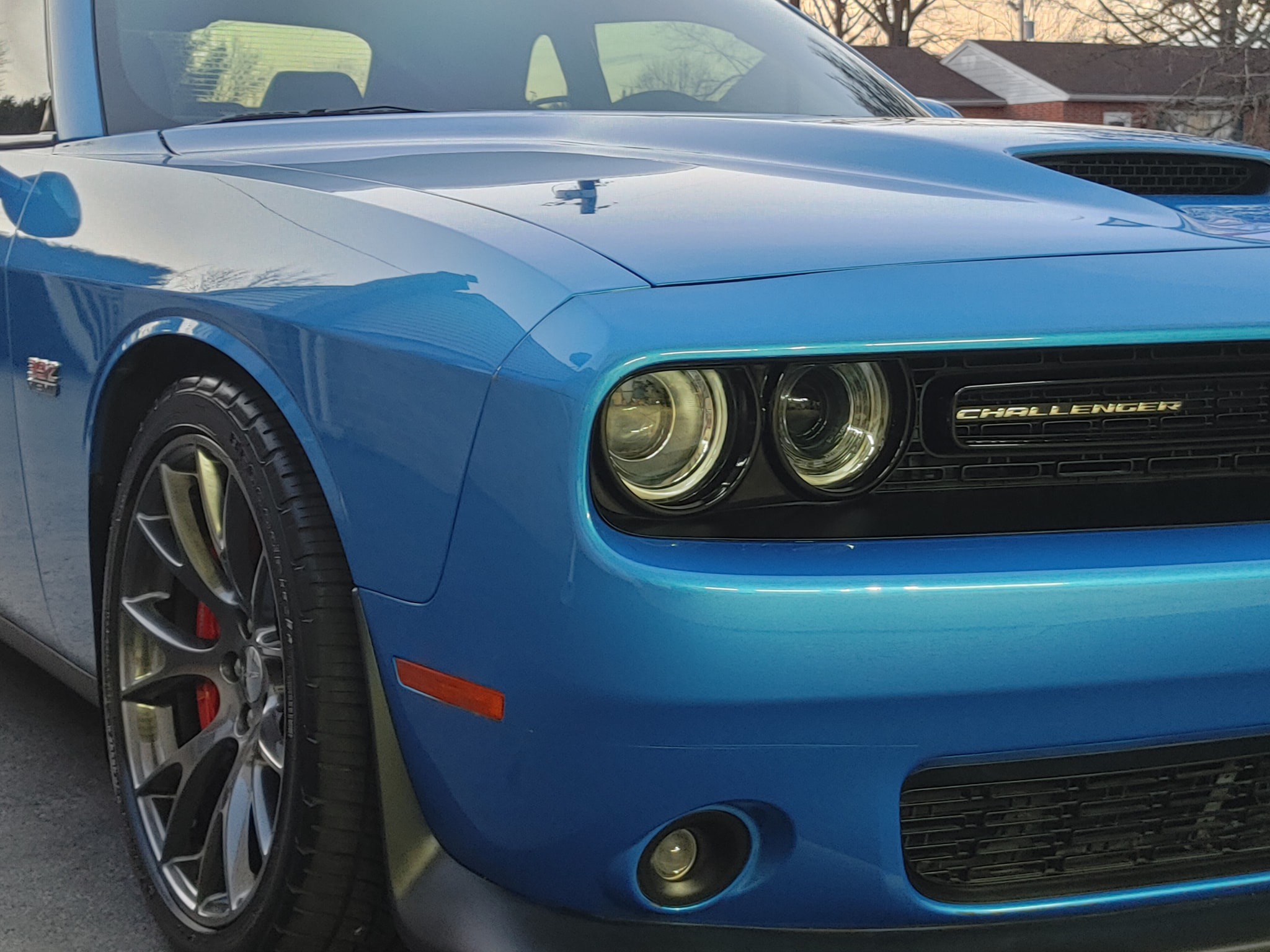
Maintaining a ceramic coated vehicle requires regular hand washing with pH-balanced soap every two weeks and avoiding automatic car washes with abrasive brushes. The coating does the heavy lifting in terms of protection, but how you care for it determines whether it lasts one year or five. Chelsea Longabaugh at Attention 2 Details in Lancaster, PA walks every coating customer through a personalized maintenance plan based on their parking situation, driving habits, and local conditions.
How Should You Wash a Ceramic Coated Vehicle?
The two-bucket wash method is the safest way to wash a coated vehicle. Fill one bucket with your wash solution and a second bucket with clean rinse water. Use a high-quality microfiber wash mitt, not a sponge. Sponges trap dirt particles against their flat surface and drag them across your paint, while microfiber lifts particles away from the surface and into the mitt's fibers.
Step-by-step wash process:
- Pre-rinse the entire vehicle with a pressure washer or strong hose to remove loose dirt and debris. This step alone prevents most wash-induced scratches.
- Apply a foam pre-wash or snow foam if you have a foam cannon. Let it dwell for 2 to 3 minutes to loosen remaining dirt.
- Starting at the top of the vehicle, wash one panel at a time with your mitt and soapy water. Rinse the mitt in the clean water bucket after each panel.
- Rinse the vehicle thoroughly from top to bottom.
- Dry with a clean, plush microfiber drying towel or a filtered air blower. Do not let the vehicle air dry, as this causes water spots from mineral deposits in the water.
Wash every 2 to 3 weeks. Washing more often than that, or using improper technique and products, creates abrasion that can break down a ceramic coating faster than it should.
What Products Should You Use on a Ceramic Coating?
Use a pH-balanced (pH 7) car wash soap designed for coated vehicles. Avoid dish soap, all-purpose cleaners, and heavily alkaline or acidic products. These strip away the coating's hydrophobic top layer over time.
Recommended products for coated vehicles:
- Car wash soap: Any pH-neutral car soap. Avoid "strip wash" or "wax-removing" formulas.
- Drying aid: A ceramic-safe drying aid or detail spray adds lubricity during drying and boosts the coating's water-beading properties.
- Coating booster: Apply a SiO2-based booster spray every 3 to 6 months to refresh the hydrophobic layer and add a sacrificial top coat. This is the single best thing you can do to extend coating life.
- Glass cleaner: Use an ammonia-free glass cleaner. Ammonia-based cleaners can degrade coatings on glass surfaces.
What Products Should You Avoid?
Certain products will damage or degrade your ceramic coating.
- Abrasive compounds and polishes: These physically remove coating material. If your coating needs correction, that requires a professional reapplication.
- Acidic wheel cleaners: Many wheel cleaners use hydrofluoric acid or strong acids that will eat through coatings on contact. Use a pH-balanced wheel cleaner instead.
- Waterless wash sprays: These can work in a pinch on very lightly dusty surfaces, but wiping a dirty vehicle with a spray lubricant still carries a risk of marring. Stick to a proper wash when the vehicle is visibly dirty.
- Automatic car washes: The spinning brushes in drive-through car washes scratch coated and uncoated surfaces alike. Even "touchless" automatic washes use highly alkaline chemicals that degrade coatings over time.
How Should You Care for a Coating Through Lancaster Seasons?
Winter (December through February): Road salt is the biggest challenge. Wash your vehicle every 1 to 2 weeks during salt season, paying extra attention to the lower panels, wheel wells, and undercarriage. Salt does not damage the coating itself, but it can leave mineral deposits that dull the surface if left sitting for weeks.
Spring (March through May): Pollen coats everything in Lancaster from April through mid-May. The good news is that pollen rinses off coated surfaces easily with just water in most cases. A light wash once a week during peak pollen season keeps your vehicle looking clean. This is also a good time to apply a coating booster spray after the winter.
Summer (June through August): Bug splatter and bird droppings are the main threats. Both are acidic and should be removed within a day or two. Keep a spray bottle of quick detailer and a microfiber towel in your vehicle for spot removal. The coating makes this easy because contaminants sit on the surface rather than bonding to the paint.
Fall (September through November): Tree sap and leaf staining can occur if your vehicle sits under trees. Remove sap promptly with an isopropyl alcohol solution (diluted to 20 to 30%) applied to a microfiber towel. Do not scrub. Let the alcohol dissolve the sap, then gently wipe away.
How Can You Tell If Your Coating Is Still Working?
A healthy ceramic coating shows clear signs of performance.
- Water beading: Pour water on a coated panel. It should form tight, round beads that roll off the surface. As the coating ages, beads become flatter and cling more.
- Self-cleaning effect: Rain should carry away most light dust and dirt. If your vehicle gets dirty quickly after rain, the coating is weakening.
- Slick surface feel: Run your hand across a clean, coated panel. It should feel glass-smooth with no friction or texture.
- Contaminant resistance: Bug splatter, bird droppings, and water spots should wipe off with minimal effort. If you find yourself scrubbing to remove contaminants, the coating's chemical resistance is fading.
If you notice reduced performance, a professional booster application can often restore the coating's properties. If the coating has degraded significantly, it may be time for a fresh application.
Questions about maintaining your coating? Contact us or call (717) 327-5453. Chelsea is always happy to help A2D coating customers keep their vehicles looking their best.